Professional Septic Services Wantage NJ for Clean and Efficient Systems

A septic system does its best work quietly. When everything is functioning as it should, wastewater leaves the house, solids settle where they belong, liquids move through the system at the right pace, and the drain field finishes the job without drawing any attention. Most homeowners rarely think about it until they catch a sour odor in the yard, notice a slow toilet, or see soggy ground where it should be dry. By then, a small maintenance issue may already be turning into an expensive repair.
That is why professional septic services Wantage NJ matter so much, especially in an area where many homes rely on private wastewater systems instead of municipal sewer lines. Sussex County properties often come with larger lots, older homes, seasonal swings in occupancy, and soil conditions that can vary more than people expect. Those factors put a premium on regular service, sound diagnosis, and local judgment. A septic tank is not a mystery box, but it is also not something to guess at.
Homeowners tend to assume a septic system is either working or failing. In practice, there is a wide middle ground. Systems can be running below peak efficiency for months or years before obvious symptoms appear. Sludge can creep too high in the tank. Filters can clog. Baffles can deteriorate. Effluent can move too fast into a drain field that is already under stress. A skilled septic technician sees these warning signs early and gives the homeowner options before the situation becomes urgent.
What professional septic service actually covers
When people hear the phrase septic services, they often think only of pumping. Pumping is important, but it is only one part of proper system care. A professional service visit should address the condition of the entire system, not just remove waste and leave.
A complete septic service often includes locating and opening access lids, measuring sludge and scum layers, checking inlet and outlet baffles, examining filters, inspecting the tank for cracks or signs of infiltration, and evaluating whether effluent appears to be flowing normally toward the drain field. If a technician sees grease overload, excessive solids, root intrusion, or evidence of backflow, that information matters as much as the pumping itself.
On many properties in Wantage, the age of the system is part of the story. Older tanks may have limited access, outdated components, or wear that is not obvious from the surface. A good technician works with what is there, explains what is serviceable, and points out what may need attention soon. That kind of straightforward assessment is valuable because it gives homeowners time to plan rather than react.
There is also a practical difference between routine maintenance and emergency service. Routine maintenance is scheduled, controlled, and far less expensive. Emergency service usually happens after backups, foul odors, or pooling wastewater have already disrupted the home. In most cases, the goal should be to stay firmly on the maintenance side of that line.
Why homes in Wantage need local septic knowledge
Septic work is always local. The same basic principles apply everywhere, but the day to day realities differ by region. In Wantage, contractors deal with a mix of full-time residences, rural properties, and homes where system history is not always well documented. That changes how inspections and maintenance are approached.
Soil conditions matter more than many homeowners realize. Drain fields rely on the surrounding soil to treat and disperse effluent gradually. Some soils drain too slowly. Others may allow water to move too quickly without ideal treatment. Add New Jersey freeze-thaw cycles, heavy rain periods, and spring groundwater changes, and even a well-built system can face seasonal stress. A contractor who regularly handles septic services Wantage NJ is more likely to recognize these patterns and interpret symptoms correctly.
Property use is another local factor. A house occupied by two people year-round places very different demands on a system than a home that hosts large holiday gatherings, summer guests, or short periods of heavy use. I have seen tanks that looked fine on paper but filled faster because of a garbage disposal habit, frequent laundry loads, or a newly finished basement bath. Good service is never just about the tank size. It is about the actual use of the property.
The hidden cost of waiting too long
A septic system rarely fails overnight without some earlier warning. What happens more often is gradual neglect. The tank goes too long without pumping, solids begin to carry over, the filter clogs, and the drain field starts receiving effluent it was never meant to handle. By the time the yard is wet or the basement drain is backing up, the problem has moved beyond routine maintenance.
Drain field damage is where costs can rise fast. Pumping a septic tank is a maintenance expense. Rehabilitating or replacing a failing drain field is a project. It may involve permits, excavation, soil evaluation, and significant disruption to the yard. In difficult cases, homeowners also face temporary limits on water use while the issue is being addressed.
There is a common misconception that additives can make up for delayed pumping or poor system habits. Some products promise to restore bacterial balance or dissolve solids. The reality is less dramatic. Normal household wastewater already supports bacterial activity inside a healthy tank. Additives are not a substitute for physically removing accumulated sludge and scum. In some cases, relying on them gives homeowners false confidence while solids keep building.
The more sensible approach is regular service based on household size, system design, and actual use. For many homes, pumping every three to five years is a reasonable starting point, but that is not a universal rule. A smaller tank serving a larger family may need more frequent service. A lightly used home may go longer. The right schedule comes from inspection, not guesswork.
Signs your system needs attention soon
Some warning signs are dramatic, but most begin subtly. It helps to know what to watch for before the system forces the issue.
- Slow drains in several fixtures at once, especially when they worsen after laundry or showers
- Sewage odors near the tank, drain field, or lower areas of the yard
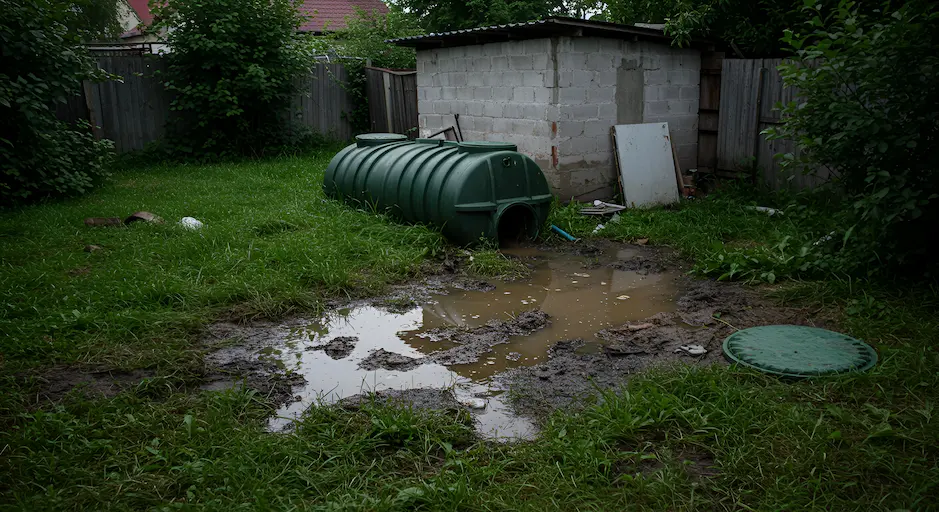
- Wet or unusually green patches over the drain field during ordinary weather
- Gurgling sounds in plumbing that were not there before
- Toilets or floor drains backing up without another obvious plumbing cause
Any one of these signs deserves a closer look. None automatically means total failure. A clogged filter, overfull tank, damaged baffle, or distribution problem can produce similar symptoms. That is one reason professional diagnosis matters. Septic issues are easy to misread if you focus only on the visible symptom.
What happens during pumping and inspection
Homeowners sometimes avoid calling because they are unsure what the visit will involve. In most cases, the process is straightforward. The technician locates the tank, opens the access points, and checks the levels of accumulated solids and floating scum. Once pumping begins, the goal is to remove the contents thoroughly, not just skim the top or create a quick path through the middle.
A proper visit also includes observation. With the tank emptied, the interior components are easier to assess. The technician can check whether baffles are intact, whether there are signs of cracks, and whether groundwater may be entering the tank. Filters, if present, should be cleaned and reinstalled correctly. If the liquid level inside the tank suggests a downstream issue, that detail should be explained clearly.
This is where experience shows. A rushed service may remove waste and move on. A careful one looks at what the tank is revealing. Excessive grease can point to kitchen habits that need to change. Unusually high solids may indicate the tank is undersized for the household or has gone too long between service visits. Evidence of root intrusion or structural wear may signal the need for repair planning.
For the homeowner, one of the most useful outcomes is a maintenance record. Knowing when the tank was pumped, what condition the components were in, and whether any follow-up was recommended makes future decisions easier. It also helps when selling a property, since buyers increasingly ask for septic documentation.
Common septic problems in rural and semi-rural homes
Older and rural properties often present combinations of issues rather than one simple fault. A home may have an aging tank, a partly mapped system, and years of inconsistent maintenance records. That is not unusual in places like Wantage, where some homes have changed hands several times and improvements were made over different decades.
One common issue is access. Older tanks may not have modern risers, which means locating and opening the system takes more time. Installing risers can be one of the more useful upgrades because it makes future service faster, cleaner, and less disruptive. Another frequent problem is hydraulic overloading. This happens when the system receives more water than it can process efficiently, often from leaking toilets, long shower patterns, back to back laundry days, or sump and roof drainage being misdirected.
Filters are another point of concern. Effluent filters do a valuable job by keeping solids from reaching the drain field, but they need periodic cleaning. When neglected, they can restrict flow and mimic more serious system trouble. Homeowners may notice sluggish drains and fear the worst, when the immediate issue is a clogged filter that should have been serviced earlier.
Then there is the drain field itself. It is easy to forget because it is out of sight, but it is the most sensitive part of the system. Driving over it, compacting the soil with heavy equipment, or planting aggressive-rooted trees nearby can shorten its life. Once a drain field is compromised, there are fewer simple fixes available.
Habits that protect system performance
Good septic care is not complicated, but it is disciplined. Systems last longer when homeowners treat them as working infrastructure rather than a hidden disposal pit. Small habits have a cumulative effect over years.
- Spread laundry loads across the week instead of running many back to back in one day
- Keep grease, wipes, paper towels, and hygiene products out of drains and toilets
- Fix leaking fixtures promptly so the system is not processing unnecessary water
- Protect the drain field from vehicles, heavy storage, and deep-rooted plantings
- Schedule inspections and pumping based on use, not memory
Each of these habits reduces stress on the tank or drain field. None is glamorous, but together they can add years to a system's useful life. Households with garbage disposals should be especially careful, since food waste increases solids and can shorten the pumping interval. Large tubs, frequent guests, and home businesses with high water use also change the maintenance picture.
Choosing a septic service company with confidence
Not all service calls are equal. Homeowners should expect more than a truck and a receipt. A reputable company explains what it found, answers practical questions, and distinguishes between urgent repairs and items to watch over time. That professionalism matters because septic decisions often involve cost, timing, and risk management.
Clear communication is a strong sign. If a technician recommends pumping, filter cleaning, a baffle repair, or further evaluation of the drain field, the reason should be understandable. Vague alarm is not useful. Neither is false reassurance. The best septic professionals are direct without being dramatic. They know how to say, in plain language, what is normal, what is wearing out, and what needs attention now.
Local familiarity also matters. A contractor who routinely provides septic services Wantage NJ will usually have a better feel for regional permitting norms, access challenges, seasonal service conditions, and the kinds of systems commonly found on area properties. That familiarity does not replace inspection, but it often makes the inspection more informed.
Responsiveness is another factor worth weighing. Septic issues are never convenient. When a toilet backs up on a weekend or odors suddenly appear before guests arrive, homeowners need a company that can respond appropriately. Even when the issue is not an emergency, prompt scheduling for maintenance helps prevent the emergency from happening at all.
Repairs, replacements, and the value of early intervention
No homeowner wants to hear that part of a septic system may need repair. Even so, repair is often far better than waiting for failure. Replacing a damaged baffle, adding risers, correcting a filter problem, or addressing a minor tank issue early is typically manageable. Allowing solids to escape into the drain field because a simple component was ignored is a much more expensive route.
There is a judgment call in every repair conversation. Not every aging component needs immediate replacement. Not every symptom means the whole system is done. A technician with experience will look at age, condition, usage, and performance together. Sometimes the right move is a modest repair and a shorter follow-up interval. Sometimes the wiser path is planning for a larger project before an emergency forces the timeline.
This is especially relevant for homeowners preparing to sell, renovate, or add bedrooms. Increased occupancy changes septic demand, and an already marginal system may not tolerate that extra load. Addressing capacity or condition beforehand usually gives the homeowner more control over cost and scheduling.
Seasonal realities that affect septic performance
Weather changes how septic systems behave, even when the hardware stays the same. Wet spring conditions can leave soils saturated, reducing the drain field's ability to accept effluent. Long cold stretches can slow biological activity and create freezing concerns in poorly insulated lines or shallow components. Summer guest traffic can suddenly increase water use well beyond the household norm.
These seasonal swings often explain why a system seems fine most of the year and then struggles during one predictable period. A professional who services the same region repeatedly will notice those patterns. It is not unusual, for example, for a tank that is borderline on solids to show symptoms sooner during periods of heavy use or saturated ground conditions.
That seasonal perspective also helps with scheduling. Pumping and inspections are generally easier to manage before peak stress periods rather than during them. If a home regularly hosts large gatherings, the right time for maintenance may be before the season starts, not after signs of trouble appear.
The long view on clean and efficient systems
The phrase clean and efficient sounds simple, but it means something specific in septic work. Clean means https://archerhgcd335.timeforchangecounselling.com/how-often-should-you-schedule-septic-services-in-wantage-nj solids are managed before they migrate where they should not. Efficient means wastewater moves through the system at a pace the tank and drain field can handle, without overload, backup, or untreated discharge at the surface. Those outcomes depend on service, observation, and homeowner habits working together.
There is no perfect septic system and no one-size-fits-all schedule. Two neighboring homes can have very different maintenance needs based on occupancy, water use, soil conditions, and the age of the equipment. That is why professional septic services are worth treating as preventive care rather than an afterthought. The cost of routine pumping and inspection is modest compared with the cost of emergency excavation, water damage cleanup, or drain field replacement.
For homeowners in Sussex County, and especially those looking for dependable septic services Wantage NJ, the smart move is regular attention from a qualified local provider. A septic system does not need constant intervention, but it does need respect. When it gets that, it can serve a home quietly and reliably for many years.
Excavating New Jersey LLC
Address: 406 County Rd 565, Wantage, NJ 07461
Phone number: +19737914284
FAQ About Septic Services Wantage NJ
What is the average cost to get a septic tank emptied?
Emptying a septic tank costs between $290 and $560 on average, with most homeowners paying about $420. Prices vary based on tank size.
What is septic service?
Septic service inspects, pumps, cleans, and maintains a septic tank. A septic tank is a large, underground container that collects and treats wastewater from your home. Over time, sludge, scum, and other debris, like hair and solids, can build up in your tank and clog your drain field.
How often should you have a septic tank serviced?
A standard septic tank should be inspected every 1 to 3 years and pumped every 3 to 5 years. However, the exact schedule depends on your tank's capacity, household size, and daily water usage.