Residential Drain Cleaning Tips to Keep Your Plumbing Flowing Smoothly

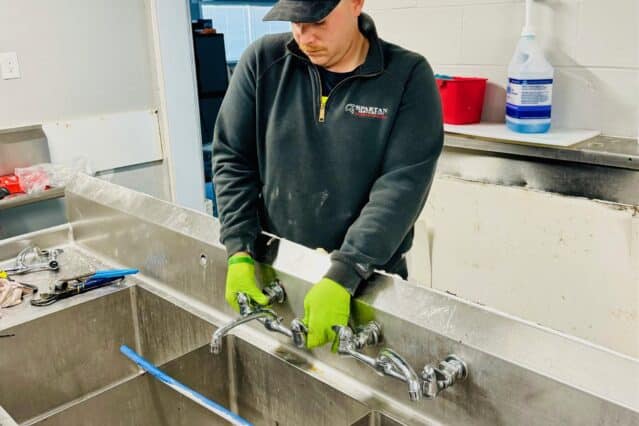
A slow drain rarely starts as a dramatic plumbing emergency. More often, it begins with a sink that takes a little longer to empty, a shower pan that holds water around your feet, or a kitchen drain that gives off a faint sour smell. Homeowners ignore these early signs all the time because the system still works, at least for the moment. Then one Saturday morning, the garbage disposal backs up into the second basin, or the tub refuses to drain after bath time, and what could have been a simple maintenance job turns into an urgent service call.
Residential Drain Cleaning is one of those home care tasks that pays off quietly. You do not get the visual reward of a freshly painted room or the instant appeal of a new fixture, but you do get fewer clogs, less odor, lower risk of water damage, and a plumbing system that behaves the way it should. In my experience, most recurring drain problems in homes come from routine buildup, not sudden catastrophe. Soap residue, grease, hair, lint, food scraps, and mineral scale accumulate gradually. Left alone, they narrow the inside of the pipe until normal use pushes the system past its limit.
Good drain care is not complicated, but it does require judgment. There is a difference between sensible maintenance and aggressive DIY methods that damage pipes, loosen joints, or create bigger blockages farther down the line. The smartest approach is usually preventive: keep debris out where possible, clean gently and consistently, and know when the problem has moved beyond what a plunger or hand snake can reasonably solve.
What actually clogs household drains
Different fixtures fail for different reasons, and understanding that helps you choose the right fix. Kitchen sinks usually clog because of grease and food solids. Even households that never pour bacon fat straight down the drain still create grease buildup. Oils from sauces, salad dressings, roasted meats, and pan residue coat the pipe walls in thin layers. Once that tacky film forms, tiny food particles stick to it and the opening slowly narrows.
Bathroom sinks and tubs are a different story. There, the main culprits are hair, soap scum, toothpaste residue, and skin oils. Hair by itself often passes through. Hair mixed with soap residue becomes a rope-like mass that catches more debris over time. In showers, long hair and body wash are frequent contributors. In children’s bathrooms, small toys, floss picks, wipes, and toothpaste caps also show up more often than many people would guess.
Toilets present their own category of problems. They are built to handle human waste and toilet paper, not wipes labeled flushable, paper towels, cotton products, dental floss, or hygiene items. Even when a toilet flushes these materials away initially, they can snag deeper in the branch line and create a partial obstruction that worsens over days or weeks.
Laundry drains are commonly affected by lint, detergent residue, and, in some regions, hard water scale. Utility sinks can collect sediment, paint rinse, mop water debris, and all sorts of workshop residue that should never enter residential plumbing in the first place.
Older homes add another layer of complexity. Cast iron drain lines can develop interior roughness as they age, which gives buildup more surface area to cling to. Homes with mature trees may deal with root intrusion in underground lines. Newer homes tend to avoid those issues but can still suffer from poor installation slopes, cheap traps, or careless disposal habits.
The subtle warning signs people miss
A fully blocked drain gets everyone’s attention. The early signs are easier to overlook, especially when they come and go. One of the first clues is intermittent gurgling. If a drain gulps air after water passes through, that can mean a partial blockage is interfering with normal flow. Another common sign is a recurring odor, often described as stale, musty, or sour. Odors linger when organic material sits in the pipe instead of washing through cleanly.
You may https://travisxfmn020.fotosdefrases.com/the-difference-between-snaking-and-hydro-jetting-in-residential-drain-cleaning also notice that one fixture seems fine until another is used. A common example is a kitchen sink that bubbles when the dishwasher drains, or a bathtub that backs up slightly when the washing machine empties. That suggests the issue may be farther down the branch line, where multiple fixtures connect.
Watch for these warning signs before a small maintenance job becomes a larger repair:
- Water drains slowly even after you clear the visible stopper area.
- You hear bubbling or gurgling from nearby drains or the toilet.
- Odors return within a day or two of cleaning the fixture.
- Water backs up in one fixture when another appliance or sink is used.
- You find yourself reaching for a plunger more than once every few weeks.
Any one of these does not automatically mean you need a plumber that day, but repeated symptoms usually mean buildup is accumulating where you cannot see it.
Why store-bought drain cleaners often disappoint
Chemical drain cleaners remain popular because they seem easy. Pour, wait, flush, done. On the label, the promise is simple. In real homes, the results are mixed at best.
These products may eat through certain kinds of organic blockage near the top of the line, but they do not remove solid masses effectively, and they do not address grease well once that grease has coated a long stretch of pipe. Worse, repeated chemical use can create side effects. In older metal pipes, harsh formulations may accelerate deterioration. In plastic drain assemblies, excessive heat from chemical reactions can stress fittings or soften certain components. If the clog does not clear, you are left with standing water mixed with caustic chemicals, which makes the next step, whether plunging, snaking, or calling a professional, more unpleasant and more hazardous.
I have seen plenty of drains that were not improved by chemicals, only made more difficult to service because the trap and standing water became dangerous to handle. For a homeowner, the better starting point is usually mechanical cleaning and sensible flushing. That means removing what you can physically reach, using hot water appropriately, and relying on basic tools before you resort to aggressive chemistry.
The safest habits for everyday drain care
The best Residential Drain Cleaning strategy starts with what never enters the pipe. Prevention sounds unglamorous, but it works. A simple basket strainer in the kitchen sink catches more food waste than most people realize. In showers and tubs, a hair catcher can reduce future clogs dramatically for just a few dollars. If you have a busy household, especially one with long hair, that single device may save you from repeated drain cleanouts.
Grease management matters too. Even small amounts add up. Let greasy pans cool, wipe them with paper towels, and dispose of the residue in the trash before washing. For homes that cook often, that habit alone can make a visible difference in sink performance over a year.
Regular hot water flushing helps in some settings, though it is not a cure-all. In kitchen sinks, running very hot water after dishwashing can help move softened residues farther along before they settle. It will not dissolve a mature grease clog, but it may reduce fresh accumulation. In bathroom drains, hot water has less impact because the main issue is usually hair and soap mass, not grease.
One of the most practical routines is to clean stoppers and strainers on a schedule instead of waiting for symptoms. Bathroom sink pop-up assemblies often hold a surprising amount of hair and toothpaste sludge. The drain can look open from above while the stopper assembly below is coated in buildup. Pulling and rinsing that assembly every month or so is messy, but it is quick and effective.
Good DIY methods that usually work
The right tool depends on the fixture and the nature of the clog. A sink or tub that has slowed down over time often responds to a simple manual cleanout. Start with the obvious. Remove and clean the stopper, strainer, or hair catcher. Wear gloves. Use a flashlight. Many blockages are visible within the first few inches.
For bathroom sinks, the trap under the basin is often the real collection point. If you are comfortable placing a bucket underneath and loosening the trap, you can clear accumulated sludge directly. This works well when the clog is local and the plumbing is accessible. It is less practical in tight vanities or if the fittings are corroded.
A cup plunger remains one of the most underrated drain tools in a home. Used correctly, it creates pressure and suction that can shift soft obstructions. The key is a good seal and enough water in the fixture to cover the plunger lip. For double kitchen sinks, seal the unused side. For bathroom sinks, block the overflow opening with a wet cloth so pressure does not escape.
Handheld drain snakes are another useful option, especially for showers, tubs, and bathroom sinks. A modest cable, used gently, can hook hair and pull it out effectively. The operative word is gently. Forceful twisting with a cheap auger can tangle in older fittings, scratch fixture finishes, or push a soft clog deeper instead of removing it.
Here is a practical order of attack that works for many minor clogs:
- Remove the stopper or strainer and clear any visible debris by hand.
- Flush with hot water if the fixture and pipe material allow it.
- Use a plunger with proper sealing technique for 20 to 30 seconds.
- Try a hand snake or hair removal tool, especially in bathroom drains.
- If symptoms remain or spread to other fixtures, stop and investigate further.
That last point matters. Persistence is admirable in some home repairs. With drains, repeated force can turn a simple obstruction into a messy backup.
Kitchen drains need a different mindset
People often assume the kitchen sink should handle almost anything because it seems robust. It does not. Kitchen drains face a specific challenge: sticky residue that spreads over a long distance. Even if the sink drains today, grease can cool farther down the line and start collecting there, especially in winter or in long horizontal runs under a slab or crawlspace.
Garbage disposals add convenience but can encourage bad habits. A disposal is not a license to feed fibrous vegetables, pasta, rice, eggshells, coffee grounds, or grease into the drain. Potato peels can form starchy paste. Celery fibers can wrap around impellers. Rice and pasta expand. Coffee grounds settle into heavy sludge. Eggshells are often defended as harmless, but in actual residential plumbing they contribute grit that mixes with grease and helps form dense accumulations.
If you use a disposal, run plenty of cold water during operation and for a short time afterward. Cold water helps keep fats more solid so they are chopped and carried, rather than melting into a smear inside the pipe. Even then, moderation is the safer route. Think of the disposal as a cleanup tool for tiny scraps left on a plate, not a primary waste system.
A homeowner once described to me a sink that clogged every Thanksgiving but behaved the rest of the year. The issue was not mysterious. It was the holiday volume of gravy, potato starch, pan drippings, and vegetable scraps. The drain could survive ordinary weeks, but annual overload exposed the buildup already forming in the line. That pattern is common. Holiday cooking, houseguests, and big family dinners stress the system and reveal weaknesses.
Bathroom drains clog faster than most people expect
Bathrooms generate less dramatic waste than kitchens, but clogs develop quickly because the debris is so good at tangling. Hair catches first, then soap binds it together, then toothpaste and grooming products add density. In homes with hard water, mineral deposits narrow the inside of the pipe and make it even easier for the next wave of debris to stick.
The simplest bathroom prevention is mechanical capture. A decent hair screen in a shower can intercept most of the material that would otherwise collect below. The difference over six months can be significant. I have seen a shower line go from quarterly cleanouts to yearly maintenance just because a family started emptying the strainer after each use.
Sink drains deserve equal attention. People often focus on the shower because the clog is visible at their feet, but bathroom sinks collect shaving cream, facial cleanser, cosmetic residue, and hair from grooming. Pop-up stoppers are notorious for trapping sludge below the waterline where nobody sees it. If a bathroom sink is slow and you have not physically cleaned the stopper assembly, that is the first place to start.
One caution on homemade remedies: baking soda and vinegar are harmless enough for freshening and mild surface fizzing, but homeowners tend to overestimate what they can accomplish against actual hair masses or greasy sludge. They may loosen odor-causing residue near the top of the drain. They will not replace hands-on removal or a snake when a true blockage exists.
The drains outside your living spaces still count
Floor drains, utility sinks, and laundry standpipes do not get much attention until they overflow. Laundry drains in particular are vulnerable because modern washers discharge quickly. If the standpipe or branch line is narrowed by lint, detergent residue, or partial blockage, the outflow can outrun the drain capacity and cause a sudden backup.
Utility sinks are another common trouble spot because they become catch-all stations. Mop water, paint rinse, plaster dust, cat litter residue, and workshop debris all show up there eventually. Some of those materials settle and harden. Others should never be introduced to the drainage system at all. Once they move beyond the trap, removal gets much more difficult.
Floor drains can dry out if not used often, leading to sewer odors from evaporated trap seals. Sometimes what appears to be a drainage problem is actually a dry trap. Pouring water into the drain can restore the seal. If the odor returns quickly, there may be a venting issue or a deeper drainage problem, but dry traps are common in basements, laundry rooms, and mechanical spaces.
When a clog points to a bigger system issue
A single slow sink is often a local problem. Multiple affected fixtures usually mean something else. If the shower backs up when the toilet flushes, or the washing machine causes water to rise in a nearby floor drain, the blockage may be in a branch line or the main sewer line. That is no longer a simple fixture cleanout.
Main line issues can be caused by root intrusion, sagging pipe sections, collapsed pipe, or years of heavy accumulation. Warning signs include repeated backups at the lowest fixtures in the home, water or sewage appearing in a basement drain, and problems that return soon after snaking. Homes with older clay or cast iron sewer lines face these issues more often, particularly in neighborhoods with mature trees.
This is where professional diagnostics earn their keep. A drain technician with the right cable machine can clear many obstructions safely and much more effectively than a small homeowner snake. If the problem keeps recurring, a camera inspection can reveal whether the issue is grease, roots, scale, improper slope, or structural damage. It is hard to overstate the value of seeing the pipe condition instead of guessing.
Hydro jetting also comes up in discussions about Residential Drain Cleaning. It can be highly effective for grease, sludge, and certain recurring buildup problems because it scours the pipe walls instead of just punching a hole through the clog. But it is not appropriate for every system. Fragile, deteriorated, or poorly connected piping may not tolerate high-pressure cleaning well. That decision should be made based on pipe material, age, and condition, not marketing alone.
How often should drains be cleaned?
There is no universal schedule because household use varies enormously. A retired couple with short hair, light cooking habits, and a newer plumbing system will not need the same attention as a family of five with heavy kitchen use, long hair, and an older sewer line. That said, most homes benefit from simple monthly maintenance and occasional deeper cleaning.
Monthly maintenance can be as straightforward as cleaning strainers and stoppers, checking for slow drainage, and flushing fixtures with hot water where appropriate. Every few months, it makes sense to inspect high-use bathroom drains more thoroughly. Annual professional cleaning is not necessary for every home, but it can be a smart preventive measure in houses with known recurring issues, older piping, or a history of main line backups.
If you are buying an older home, a sewer camera inspection is often money well spent. It can reveal root intrusion, offsets, heavy scale, and other hidden conditions before they become your emergency.
Knowing when to stop and call a professional
Homeowners save money when they handle small, accessible drain issues themselves. They lose money when they force a bad situation and create water damage, broken fittings, or contaminated backups. The trick is recognizing the line between maintenance and repair.
Call for help if water is backing up into multiple fixtures, if a toilet overflow seems connected to sink or tub use, if you suspect the main line is blocked, or if previous DIY attempts have failed. The same applies if you notice sewage odor accompanied by slow drains, recurring clogs despite careful habits, or signs of leakage under sinks after repeated plunging or snaking.
Another reason to stop is uncertainty about the pipe itself. Older homes can have brittle trap arms, corroded cleanouts, and patched plumbing that does not respond well to force. A professional can evaluate whether the issue is a simple obstruction or part of a larger drainage failure.
A healthy plumbing system is easy to take for granted because it operates out of sight. Drains do their job quietly until they do not. The good news is that most household drain trouble gives warning before it turns serious. With consistent habits, basic tools, and a little restraint, you can prevent many common clogs and keep water moving the way it should. The goal is not to attack your pipes with every product on the hardware shelf. It is to understand how your home’s drains actually behave and care for them in a way that matches reality. That is the foundation of effective Residential Drain Cleaning, and it is what keeps plumbing flowing smoothly over the long haul.
Spartan Plumbing Services
Address: 760 107th St S, Tacoma, WA 98444
Phone number: +12534998773
FAQ About Residential Drain Cleaning
How much does it cost to have someone clean your drains?
Professional drain cleaning costs between $147 and $352 on average, with most homeowners paying around $246. The final price is heavily determined by the type of drain affected, the clearing method needed, and your geographic location.
How much does it cost to clean a drain line?
Professional drain cleaning costs between $147 and $352 on average, with most standard residential jobs landing right around $246. However, your final bill can scale from $100 to over $800 depending entirely on which drain is clogged and the method required to clear it.
Is professional drain cleaning worth it?
Yes, professional drain cleaning is worth it because it clears deep buildup and prevents expensive plumbing emergencies.