Signs You Need Septic Services in Wantage NJ Right Away

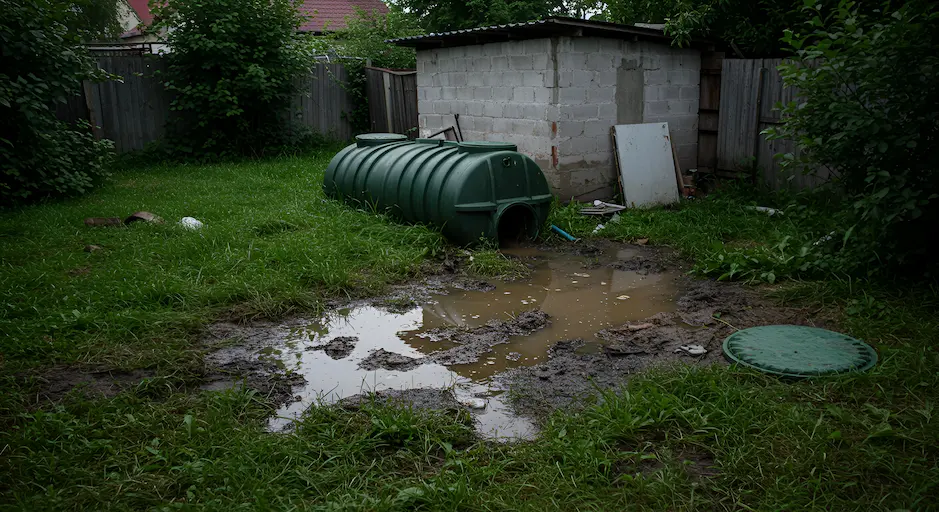

A septic system usually asks for very little attention, right up until the day it demands all of it at once.
That pattern catches homeowners off guard, especially in places like Wantage where many properties rely on private septic systems instead of municipal sewer lines. One week everything seems fine. The next, the shower drains slowly, the yard smells off, and a patch of grass near the tank looks like it got its own irrigation line. By the time most people start searching for septic services Wantage NJ, the problem has often been building for months.
The hard part is that septic trouble rarely announces itself with one dramatic failure at the start. It tends to show up through smaller warnings: sluggish plumbing, unpleasant odors, soggy ground, or backups that seem to come and go. Those early signs matter. A quick service call when symptoms first appear can prevent a tank overflow, a drain field failure, interior water damage, and a repair bill that grows from inconvenient to painful.
If you own a home with a septic system, it helps to know the signs that should move you from “I’ll keep an eye on it” to “I need septic services now.”
When a slow drain is more than a clog
Every home gets the occasional clogged sink. Hair collects in bathroom drains. Kitchen lines catch grease and food residue. A single slow fixture does not automatically point to a septic emergency.
What should get your attention is a pattern.
If more than one drain in the house is moving slowly, or if toilets begin flushing lazily at the same time sinks and tubs are taking longer to empty, the issue may be deeper in the system. That is especially true if plunging and basic drain cleaning do not solve it. In a septic home, widespread slow drainage can signal that the tank is too full, the outlet is restricted, or the drain field is no longer accepting wastewater at a normal rate.
I have seen homeowners spend weeks treating a whole-house drainage problem like a simple bathroom clog. They snake one line, pour in a store-bought cleaner, and hope for the best. Meanwhile, the septic tank remains over capacity and wastewater has nowhere to go. The delay often turns a manageable pumping appointment into an after-hours emergency.
The distinction matters. One stubborn sink may be a local plumbing issue. Multiple fixtures acting up together usually point to a system-wide problem, and that is when professional septic services become the smart next step.
Sewage odors inside or outside the house
A healthy septic system should not make your house or yard smell like sewage. If you notice persistent odors, trust your nose.
Indoor odors often show up first in the lowest level of the house, near a basement bathroom, floor drain, or utility area. Outdoors, the smell may hover around the tank, the distribution box, or the drain field. Sometimes it is strongest after heavy water use, after rain, or on hot humid days when gases and standing effluent become more noticeable.
That smell is not just unpleasant. It is diagnostic.
Septic odors can indicate a full tank, a blocked vent, a leak, or untreated wastewater surfacing where it should not. In older systems, odors can also point to cracks in components that have shifted over time. Sussex County properties often experience freeze-thaw cycles, wet seasons, and changing soil conditions, all of which can stress a septic system in ways homeowners do not see from the surface.
The mistake people make is waiting to see if the smell “passes.” Sometimes it fades temporarily, especially if household water use drops for a day or two. That does not mean the issue is gone. It usually means the symptom has become intermittent, which is still a warning.
Wet spots, lush patches, or spongy ground in the yard
One of the clearest outdoor signs of septic trouble is unexplained moisture in the area above or around the system. If part of your lawn stays wet when the rest of the yard is dry, pay attention. If the ground feels spongy underfoot, that deserves a closer look. If one strip of grass suddenly grows faster, thicker, and greener than everything around it, that can also be a clue.
People often assume a wet patch is caused by a sprinkler issue, runoff, or a natural low spot in the yard. Sometimes that is true. But when the wet area lines up with the septic tank or drain field, the odds change.
What you are seeing may be effluent rising too close to the surface because the system is overloaded or failing to disperse wastewater properly. That can happen when a tank needs pumping, when the drain field is saturated, or when solids have moved beyond the tank and into parts of the system where they do not belong.
In practical terms, a wet drain field is not a cosmetic lawn issue. It can mean untreated or partially treated wastewater is escaping into the soil near the surface. That raises sanitation concerns for children, pets, and anyone working in the yard.
In Wantage, where homes can sit on larger lots with varying grades and drainage patterns, these signs are easy to miss. Homeowners may not walk the full property often, especially in colder months. Then spring arrives, snowmelt adds water to the soil, and a hidden problem becomes obvious in a hurry.
Toilets or drains backing up, especially at the lowest fixtures
A true backup is one of the clearest signals that you need help right away.
If sewage or gray water comes back up through a basement shower, floor drain, or lower-level toilet, that is no longer a maintenance reminder. It is an urgent service situation. Wastewater is telling you it cannot move through the system as intended, so it is finding the lowest point available inside the home.
This type of backup often happens after a period of warning signs that were mild enough to ignore. Maybe the washing machine drain gurgled for two weeks. Maybe the guest bathroom toilet occasionally bubbled. Then someone ran the dishwasher while a shower was going, and the lower bathroom flooded.
At that stage, continuing to use water in the house can make things much worse. Every flush, load of laundry, and long shower adds more volume to a system that is already struggling.
If this happens, stop or sharply limit water use and call for septic services as soon as possible. Cleaning up sewage inside a house is not just unpleasant. It can damage flooring, drywall, trim, and stored belongings, and it may require sanitation work beyond the septic repair itself.
Gurgling sounds and air where it does not belong
Plumbing has its own language. Homeowners who pay attention to unfamiliar sounds often catch septic trouble earlier than those who wait for visible https://reidhhmy963.lowescouponn.com/reliable-septic-services-for-rural-homes-in-wantage-nj failure.
Gurgling toilets, bubbling drains, and odd air releases after flushing can all point to drainage problems. In some cases, that means a venting issue or a blockage in the plumbing lines. In a septic home, it can also mean the system is struggling to move wastewater out to the tank and through the drain field.
The reason these sounds matter is simple. Wastewater systems rely on proper flow and pressure balance. When that balance is off, the air has to go somewhere. It often announces itself in the fixtures before sewage appears.
This is one of those edge cases where experience matters. A gurgle after one flush does not prove septic failure. Repeated gurgling across multiple fixtures, especially combined with slow drains or odors, is a different story. The combination of symptoms is what turns a curiosity into a warning.
Your tank is overdue for pumping
Sometimes the most urgent sign is not a symptom at all. It is the calendar.
Many residential septic tanks need pumping every three to five years, though that range can shift based on household size, tank capacity, water use habits, garbage disposal use, and whether the home hosts frequent guests. A couple living carefully in a home with a larger tank may stretch longer. A family of five with heavy laundry use may need more frequent service.
If you cannot remember the last pumping date, or if you bought the property and never received clear maintenance records, that alone is reason to schedule an inspection or service. Waiting for a problem to prove the tank is full is expensive logic. Pumping on a sensible schedule costs far less than repairing a damaged drain field.
I have talked with many homeowners who believed their tank had been serviced “a few years ago,” only to find out it had been six, eight, or even ten years. That kind of gap does not guarantee failure, but it dramatically raises the risk of solids accumulation. Once solids leave the tank and migrate downstream, you are not dealing with routine maintenance anymore.
What heavy rain can reveal
Septic systems often struggle most when nature adds stress on top of household use.
After a prolonged rainy stretch, or during spring thaw, the soil around a drain field can become saturated. When the ground cannot absorb water efficiently, your septic system loses some of its ability to disperse treated effluent. That is when symptoms that seemed minor suddenly become serious. Toilets flush slowly. Yard odors intensify. Water backs up during peak use.
This does not always mean the entire system is defective. Sometimes it means an already stressed system has reached its limit because the weather took away its margin for error. That is still a reason to call. A professional can determine whether the problem is temporary saturation, overdue pumping, a blocked baffle, a damaged component, or a larger drain field issue.
For homeowners looking for septic services Wantage NJ, this seasonal context matters. Rural and semi-rural systems do not operate in a vacuum. Soil type, groundwater conditions, and storm patterns affect performance. A symptom that appears only in wet weather is still a symptom.
Sewage surfacing near the tank or drain field
This is one of the most serious signs because it leaves very little room for interpretation.
If you can see wastewater on the ground near the septic tank or drain field, or if the area has black, gray, or unusually murky liquid at the surface, the system needs immediate attention. The same goes for toilet paper or waste residue appearing outdoors. That is a strong indication that untreated or insufficiently treated sewage is no longer staying underground.
At that point, the concern is not only damage to the system. It is also exposure. People, pets, and wildlife should be kept away from the area until it is inspected and addressed.
Homeowners sometimes hesitate to call right away because they worry about what the diagnosis will cost. That instinct is understandable, but the delay almost always costs more. Surface breakout can indicate a full tank, a blocked line, or a failing drain field. Some of those are significantly more manageable when addressed early.
Plumbing fixtures improve briefly, then fail again
Intermittent septic issues can be more deceptive than obvious ones.
A homeowner may notice a toilet backing up one weekend, then working normally the next. A shower may drain slowly for several days, then recover. The yard may smell bad after rain, then seem fine when the weather turns dry. That temporary improvement can create false confidence.
What is often happening is that the system is right on the edge of capacity. Under lighter water use or drier conditions, it copes. Under normal or heavy use, it cannot. That pattern is common in tanks that are overdue for pumping and in drain fields that are beginning to lose performance.
This is one reason emergency failures often feel sudden even when they were not. The warning signs were there, but they came and went. A professional evaluation during that unstable phase can prevent the day when the system stops recovering.
A short list of signs that should not wait
If you notice any of the following, it is wise to call for service promptly rather than monitor the situation for another week:
- Multiple drains in the house are slow at the same time.
- You smell sewage indoors or in the yard near the septic area.
- The lawn above the system is wet, unusually green, or soft underfoot.
- Wastewater backs up into tubs, showers, toilets, or floor drains.
- You cannot remember the last inspection or pumping, and other symptoms are starting to appear.
None of these signs automatically means the worst-case scenario, but each one justifies professional attention.
Why waiting gets expensive fast
Septic problems tend to escalate in stages. The early stage is inconvenience. The middle stage is disruption. The late stage is property damage and system repair.
A simple example makes the point. A routine pumping and inspection is generally a maintenance event. The crew arrives, pumps the tank, checks conditions, and may spot an issue before it spreads. If that visit gets postponed until the tank overflows into the house or the drain field receives solids it was never meant to handle, the math changes. Now you may be paying for emergency response, cleanup, restoration, and more invasive repair work.
There are also hidden costs. Missed work time. Cancelled plans. Stress when guests are expected. Damage to finished basements. Lingering odors in soft materials like carpets and upholstery. Septic trouble rarely stays neatly confined to one invoice.
That is why experienced homeowners tend to respond quickly to changes in system behavior. They know the system does not need to collapse completely before it deserves attention.
What to do while you wait for service
Once you have reason to believe the septic system is the problem, your best move is to reduce strain on it until a professional can inspect it. That means cutting back on water use as much as possible. Space out toilet flushing. Skip laundry and dishwashing if you can. Avoid long showers. Do not drain a bathtub. If there is an active backup, stop using the affected fixtures altogether.
Here are a few practical steps that help without making things worse:
- Limit indoor water use immediately.
- Keep people and pets away from wet or contaminated yard areas.
- Do not drive or park over the tank or drain field.
- Write down the symptoms you have noticed and when they started.
- If available, gather records of prior pumping or repairs for the technician.
What should you avoid? Do not try to solve a septic backup with repeated chemical drain cleaners. Do not open the tank yourself unless you are trained and equipped to do so safely. Septic tanks can contain dangerous gases and are not a casual DIY project. Also, do not assume that pumping alone will fix every issue. Pumping is essential when the tank is full, but a professional may also need to evaluate baffles, filters, lines, or the drain field.
The value of local judgment in Wantage
Septic systems are not one-size-fits-all, and neither are septic problems. The age of the home, the lot layout, the season, recent rainfall, household size, and maintenance history all shape what is happening underground. That is why local familiarity matters when choosing septic services Wantage NJ homeowners can rely on.
A technician who understands the area will often approach a soggy lawn, a recurring backup, or a weather-related slowdown with a more informed eye. Is this likely heavy water loading, a neglected tank, a distribution issue, or the early signs of field failure? Those calls depend on pattern recognition as much as equipment.
For homeowners, the practical takeaway is straightforward. If your septic system is behaving differently, do not talk yourself out of what you are seeing. Slow drains, odors, wet yard areas, gurgling, and backups are not random nuisances. They are messages from a system that needs attention.
The earlier you act, the more options you usually have. And with septic systems, options are what save money.
Excavating New Jersey LLC
Address: 406 County Rd 565, Wantage, NJ 07461
Phone number: +19737914284
FAQ About Septic Services Wantage NJ
What is the average cost to get a septic tank emptied?
Emptying a septic tank costs between $290 and $560 on average, with most homeowners paying about $420. Prices vary based on tank size.
What is septic service?
Septic service inspects, pumps, cleans, and maintains a septic tank. A septic tank is a large, underground container that collects and treats wastewater from your home. Over time, sludge, scum, and other debris, like hair and solids, can build up in your tank and clog your drain field.
How often should you have a septic tank serviced?
A standard septic tank should be inspected every 1 to 3 years and pumped every 3 to 5 years. However, the exact schedule depends on your tank's capacity, household size, and daily water usage.